
Days Until Our Independence Festival Trip
Did You Know That Cartagena Declared Independence First?
If you’re like most visitors, you probably think Colombia has one independence day. July 20th, flags, fireworks, done.
Not quite the full story.
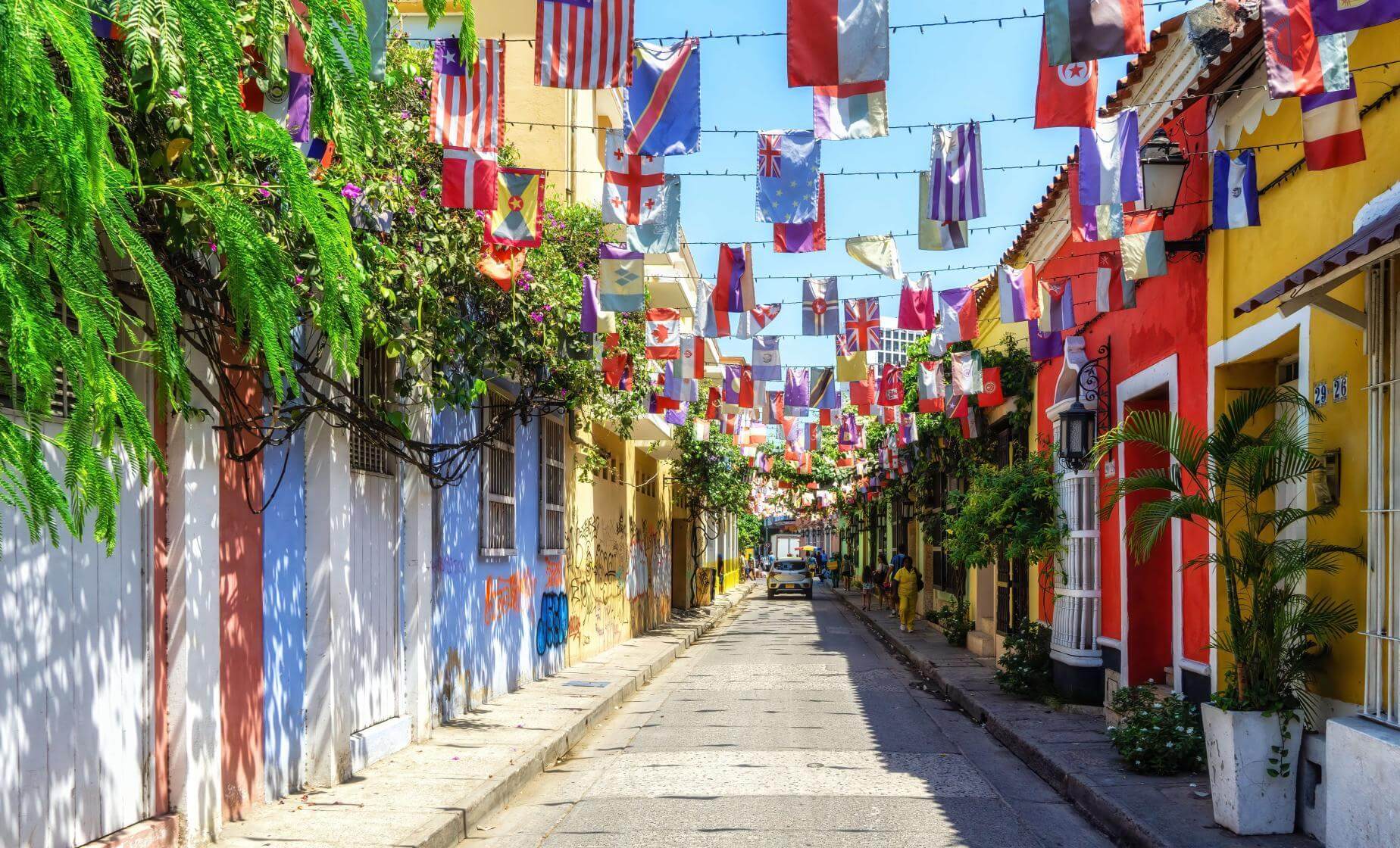
Every November, Cartagena de Indias throws a party for an independence that is its own: older in spirit, louder in practice, and considerably better dressed. The Fiestas de Independencia del 11 de Noviembre are the city’s proudest weeks. They mix history, drums, beauty queens, sound systems the size of a colonial townhouse, and a surprising amount of cornstarch. Most foreigners have never heard of them. That’s precisely why you should go.
A History Lesson, Delivered Before Your Cocktail Gets Warm
July 20, 1810. Bogotá forms a governing junta: a council of local leaders who took charge because Spain’s king, Fernando VII, was Napoleon’s prisoner at the time. It is a bold move, although that junta still pledged loyalty to the captive king. Brave, but with an asterisk.
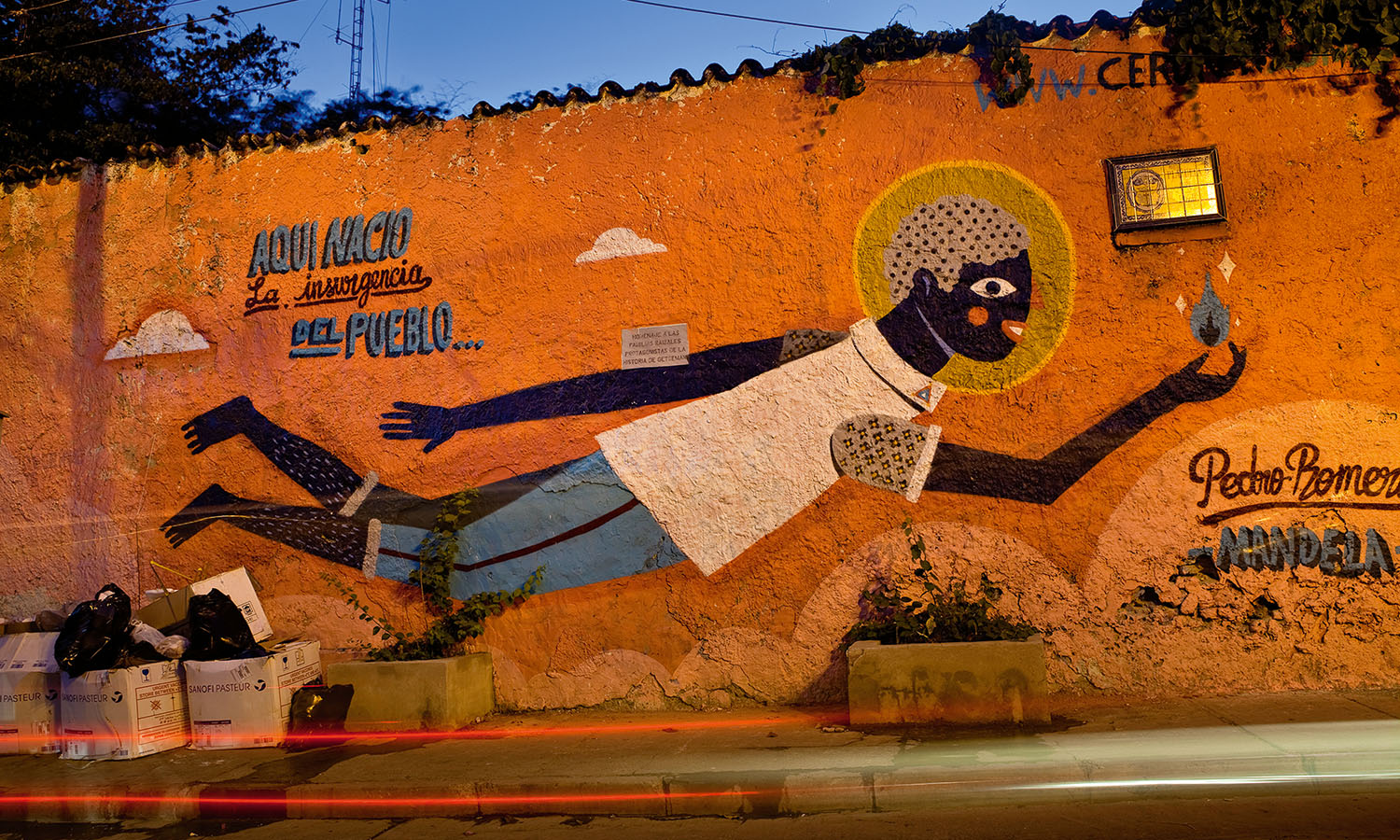
November 11, 1811. Cartagena goes further. Artisans, dockworkers and the free Black and mixed-race residents of Getsemaní arm themselves as the Lanceros de Getsemaní. They are led by Pedro Romero, a Cuban-born blacksmith. They march on the city’s governing junta and pressure it into signing the Acta de Independencia. The document declares absolute independence from Spain, with no king and no asterisk. Cartagena becomes the first province in New Granada to do so.
1815. Spain disagrees, forcefully. General Pablo Morillo lays siege to the city for over 100 days. Cartagena starves rather than surrenders, which earns it the title La Ciudad Heroica. The following year, nine patriot leaders are executed. The waterfront promenade where they’re remembered is still called the Camellón de los Mártires.
1821. The city is finally liberated for good.
So when Cartagena celebrates November 11th, it isn’t celebrating Colombia’s independence. It’s celebrating the day a working-class neighbourhood decided it was done asking permission. That neighbourhood, Getsemaní, is now where you’ll spend most of your nights out. The descendants of those lanceros are still there, and during the fiestas they pull their plastic chairs out and open their front doors onto the very streets where you’re ordering two-for-one cocktails. Living rooms become the front row. Raise a glass to them accordingly, and accept the invitation if one is offered.
The 2026 Festival Agenda
The celebrations warm up in October with neighbourhood preludios and build to a full crescendo in mid-November.
Our favourites are marked with a ★.
October: The Warm Up
- Fri 2 Oct — Preludio Localidad 1. The fiestas open where they belong, in the neighbourhoods rather than the Walled City.
📍 Canapote · time to be confirmed
- Fri 9 Oct — Preludio Localidad 2. The second neighbourhood prelude, with dance groups and local sound systems.
📍 Polideportivo de El Pozón · time to be confirmed
- Thu 15 Oct — Preludio Universitario. The students take their turn, which historically means excellent energy and questionable stamina.
📍 Venue and time to be confirmed
- Fri 16 Oct — Preludio Localidad 3. The last of the three neighbourhood preludes.
📍 Blas de Lezo · time to be confirmed
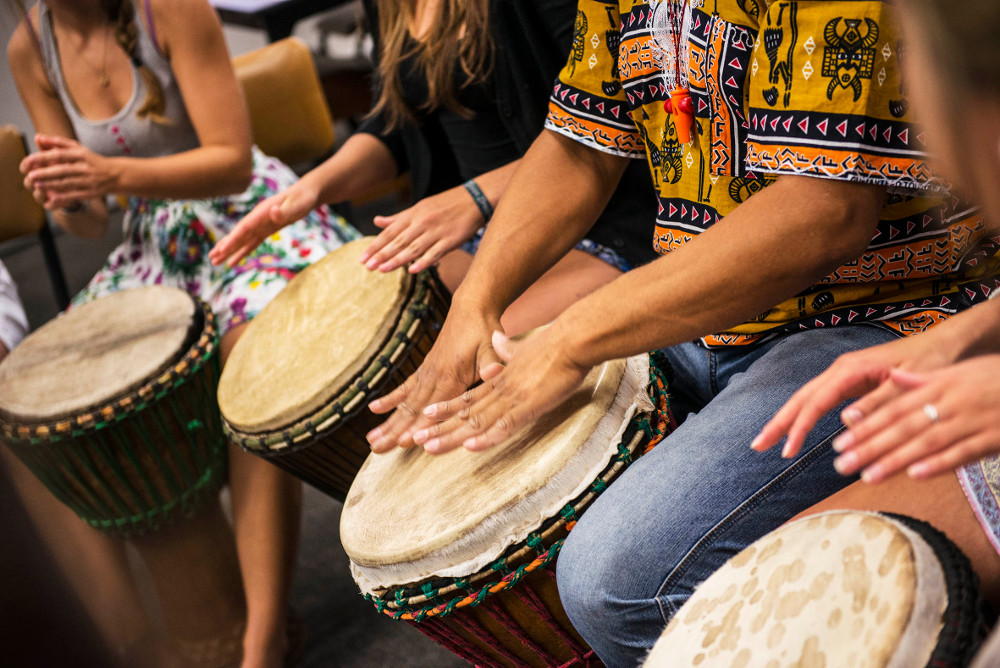
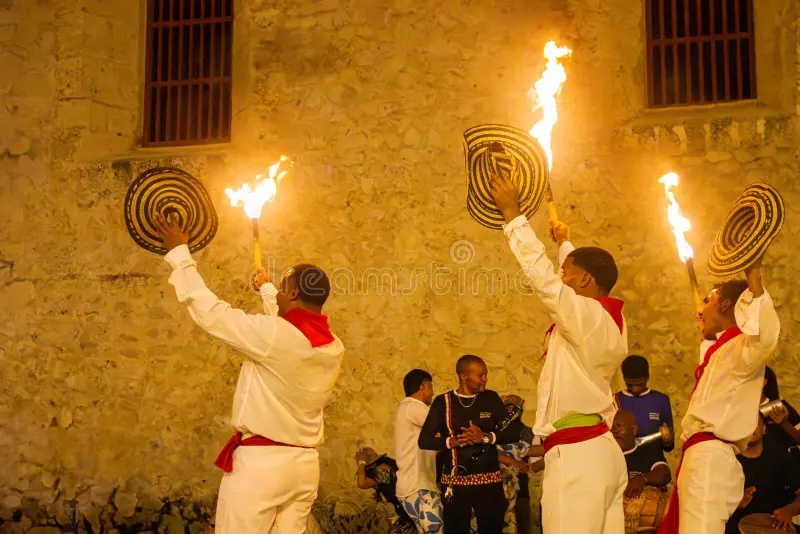
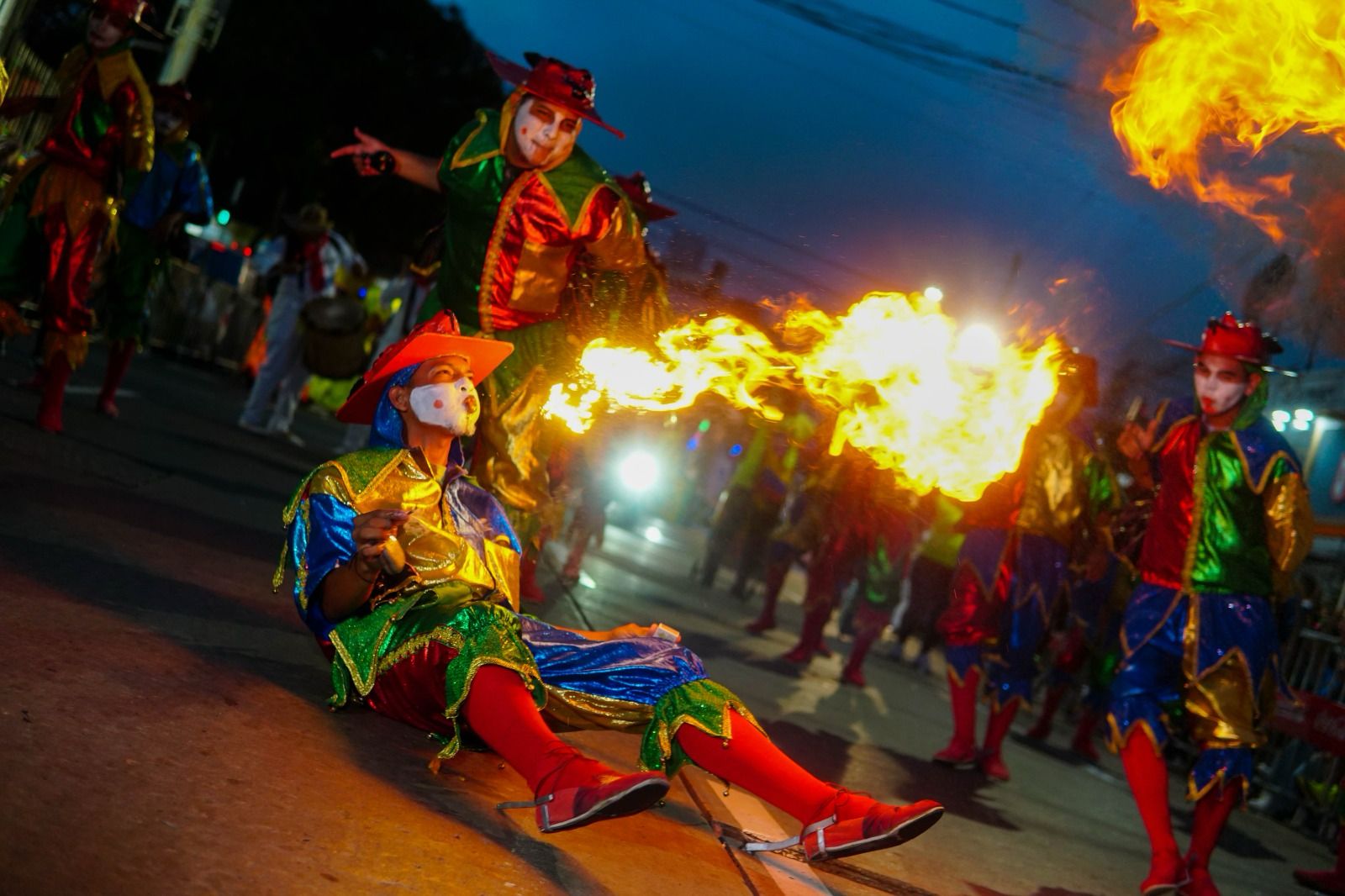
- ★ Fri 23 Oct — Noche de Candela y Jolgorio de Tambores. A night of fire and drums in one of the Walled City’s oldest squares, and the first properly atmospheric evening of the season.
📍 Plaza de los Coches · time to be confirmed
- Wed 28 Oct — Fiesta de los Periodistas. The city’s journalists get their own celebration, because of course they do.
📍 Venue and time to be confirmed
- Fri 30 Oct — Noche de Tradición Festiva y Traje Artesanal. Handmade festival costumes on display, and the best place to understand the craft behind the parades.
📍 Plaza de Variedades · time to be confirmed
Early November: The Build Up
- ★ Sun 1 Nov — Ángeles Somos and the Desfile “Dioses de la Libertad”. Children in costume take over the streets asking for treats, followed by a parade through the old town.
📍 Centro Histórico · time to be confirmed
- Tue 3 Nov — Noche de Talentos. Local performers on the city’s most beautiful stage, a restored 19th-century theatre.
📍 Teatro Adolfo Mejía · time to be confirmed
- Fri 6 Nov — Cabildo Escuela Normal Superior. A student-led cabildo procession through the old town.
📍 Centro Histórico · time to be confirmed
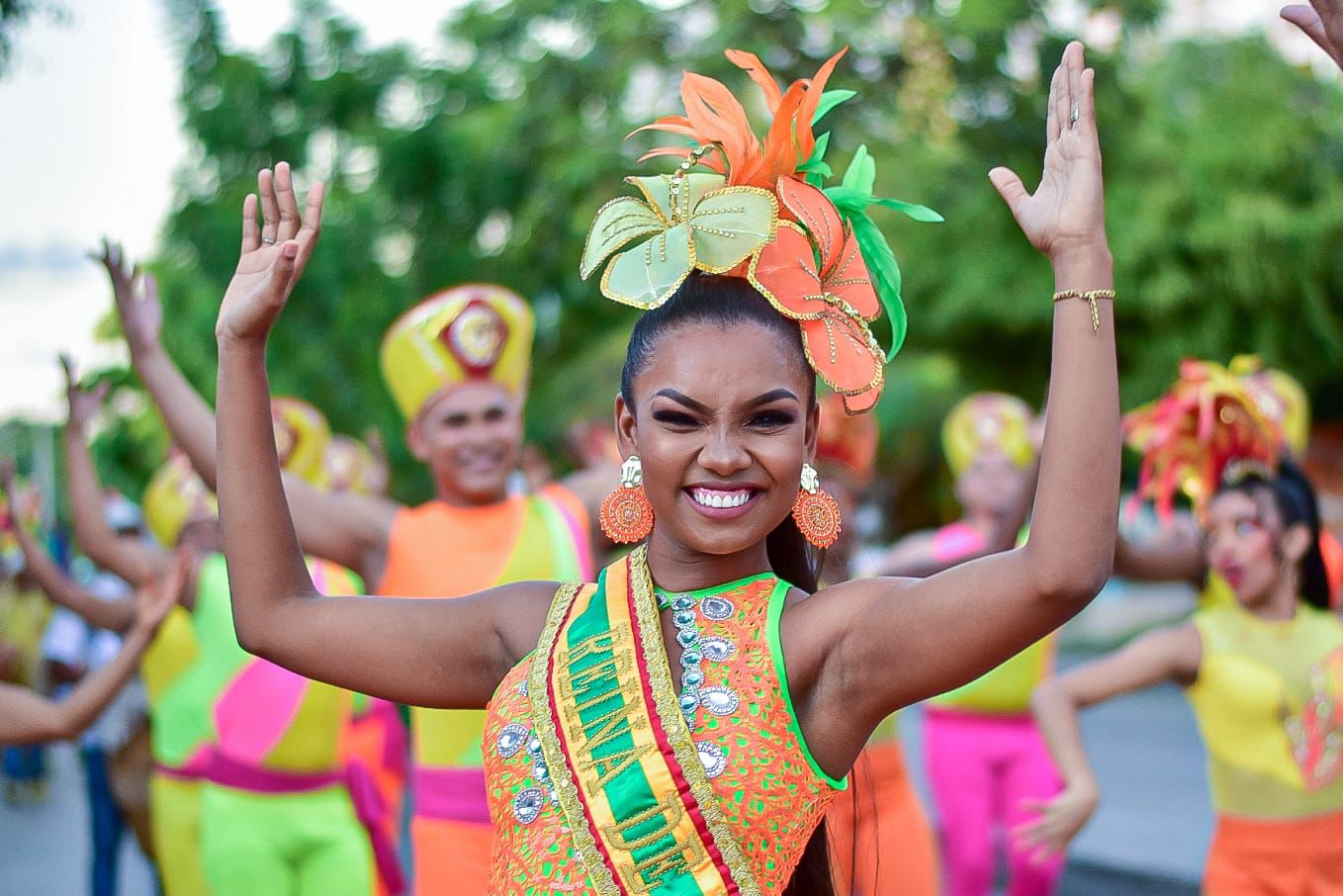
- Fri 6 Nov — Desfile en Traje de Baño. The neighbourhood beauty queens take the runway in swimwear, each one carrying the hopes of the barrio that crowned her. Expect drums, banners, and a home crowd that treats every walk like a penalty shootout. This is the people’s pageant, not the televised one, and it is far more fun.
📍 Plaza de la Aduana · time to be confirmed
- Sat 7 Nov — Cabildo Vivo de Bocachica “Itmina Fanti”. The island community of Bocachica parades its Afro-Caribbean heritage, a boat ride from the city.
📍 Bocachica, Tierra Bomba · time to be confirmed
- Sat 7 Nov — Reinado Corregimental coronation. The crowning of the queen representing Cartagena’s outlying districts.
📍 Coliseo Bernardo Caraballo · time to be confirmed
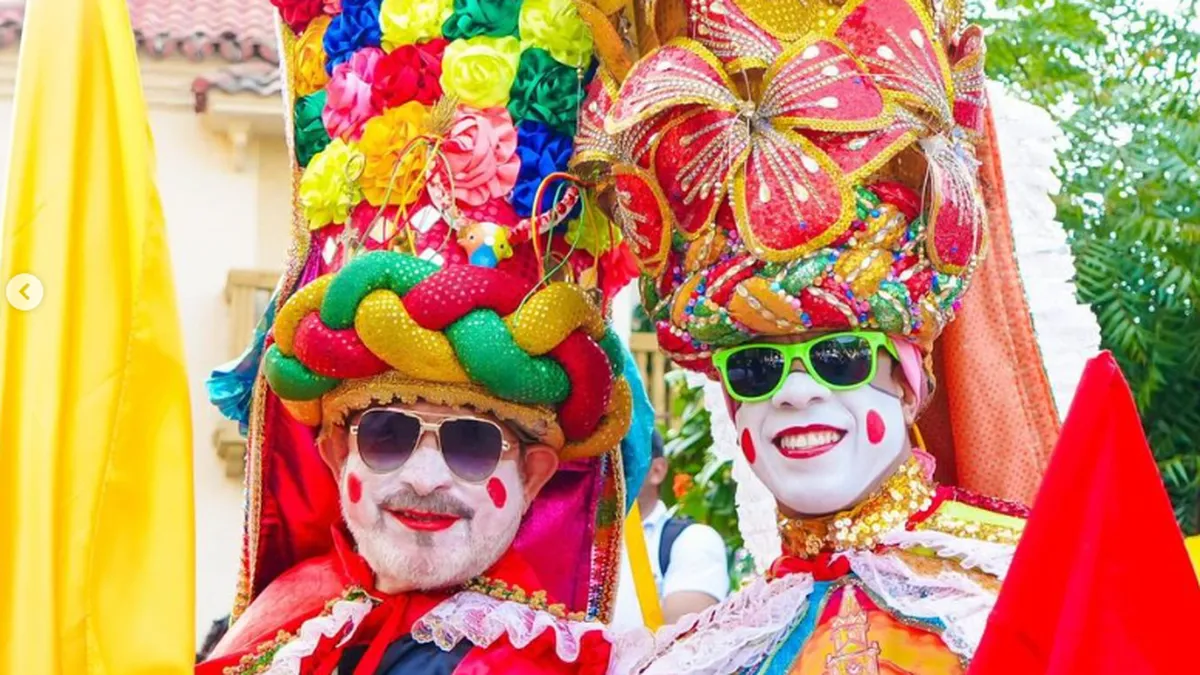
- Sat 7 Nov — Fiesta de Actores Festivos and Segundo Preludio del Magisterio. A celebration of the costumed characters who make the parades what they are.
📍 Blas de Lezo · time to be confirmed
- ★ Sun 8 Nov — Desfile de las Diversidades. The most joyful and most photographed parade of the build-up week.
📍 Plaza de la Aduana · time to be confirmed
- Sun 8 Nov — Fiesta de Grandes Lanceros. An homage to the Grandes Lanceros, the festival’s honorary guardians of tradition.
📍 Venue and time to be confirmed
- Mon 9 Nov — Keys to the city. The National Beauty Contest candidates are formally welcomed to Cartagena.
📍 Baluarte San Miguel · time to be confirmed
The Unmissables: Clear Your Calendar
November 11: The Ofrenda Floral and the Heroes’ Parade. This is the soul of the whole thing. Flowers are laid at the Camellón de los Mártires and at Plaza de la Trinidad in Getsemaní, where Pedro Romero’s movement began. It is solemn, moving, and the one moment of the fiestas when you should keep your foam can holstered.
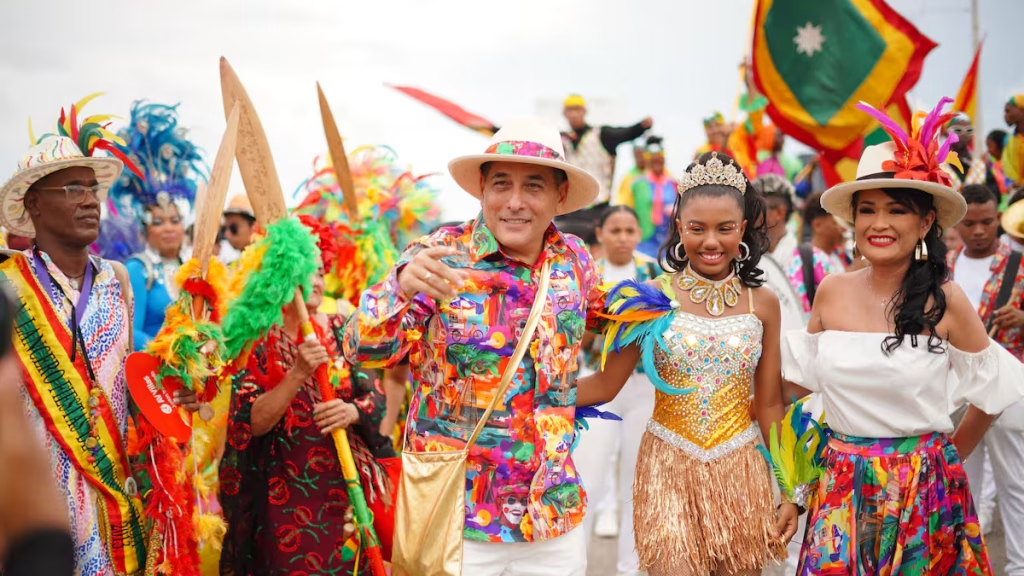
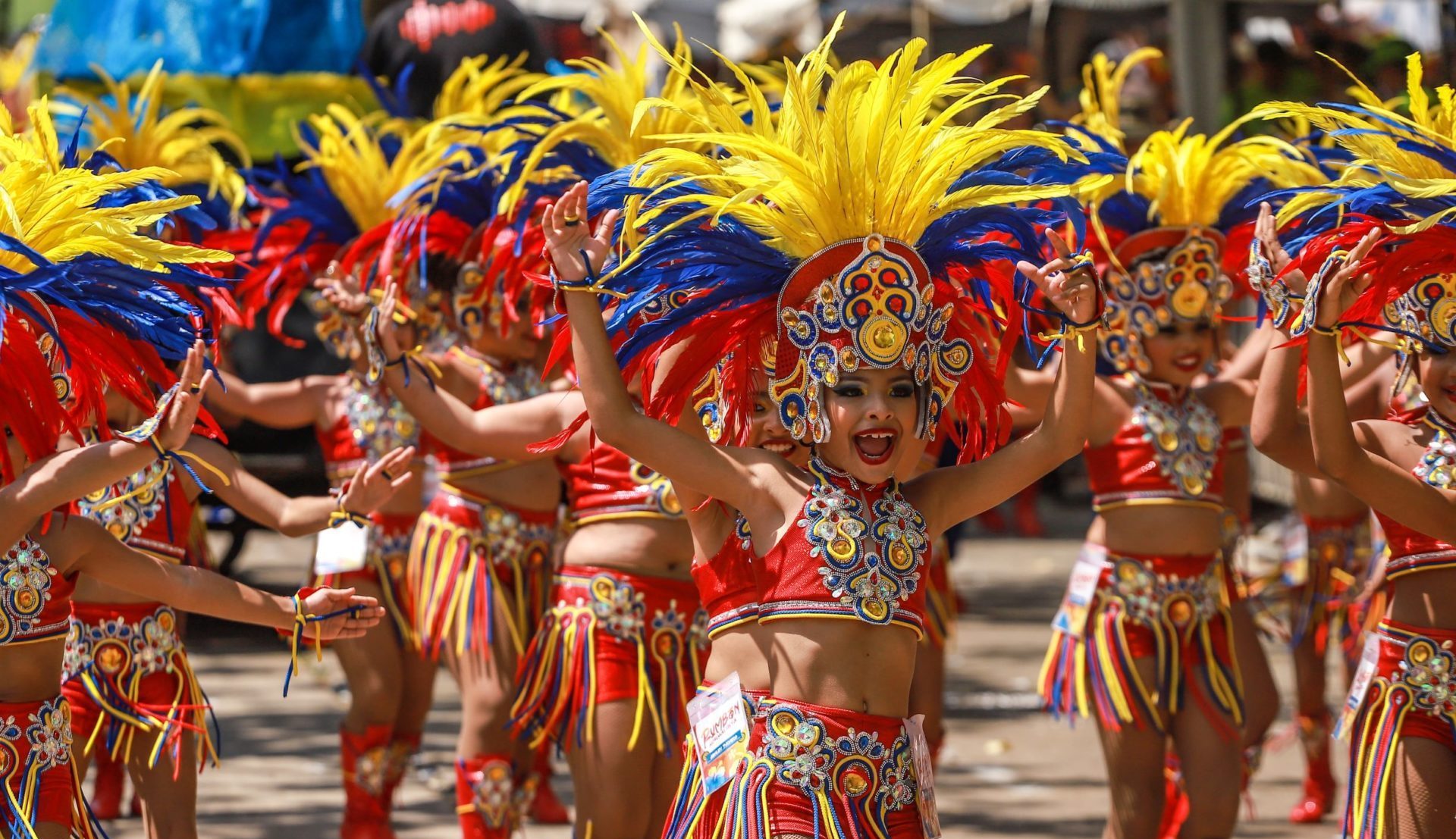
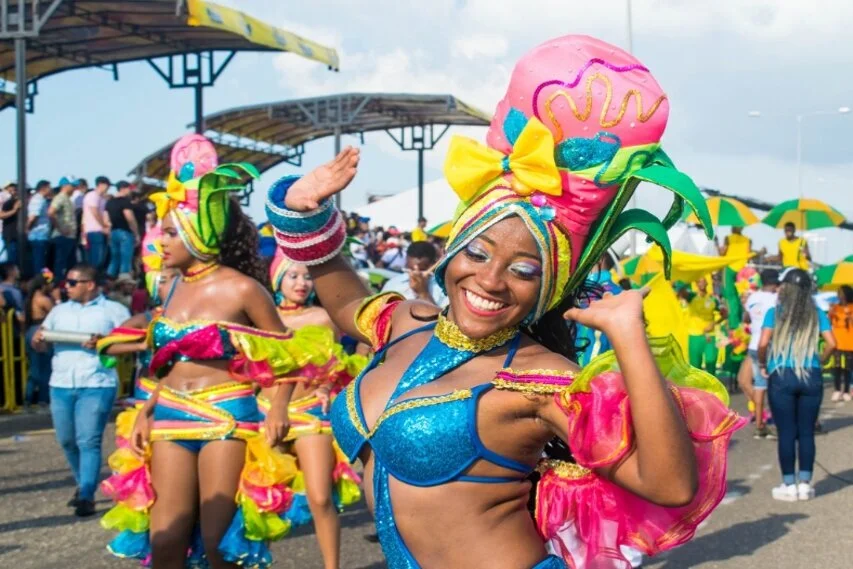
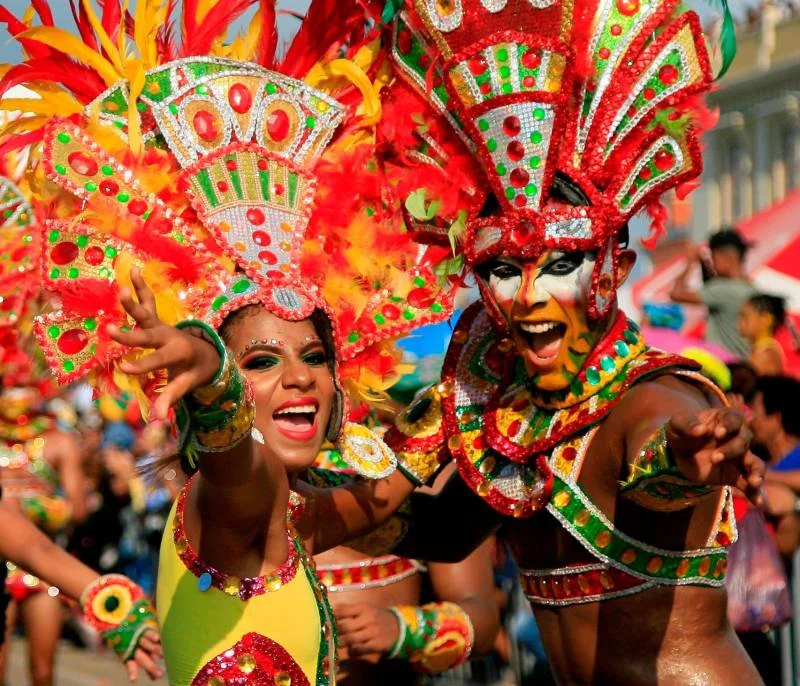
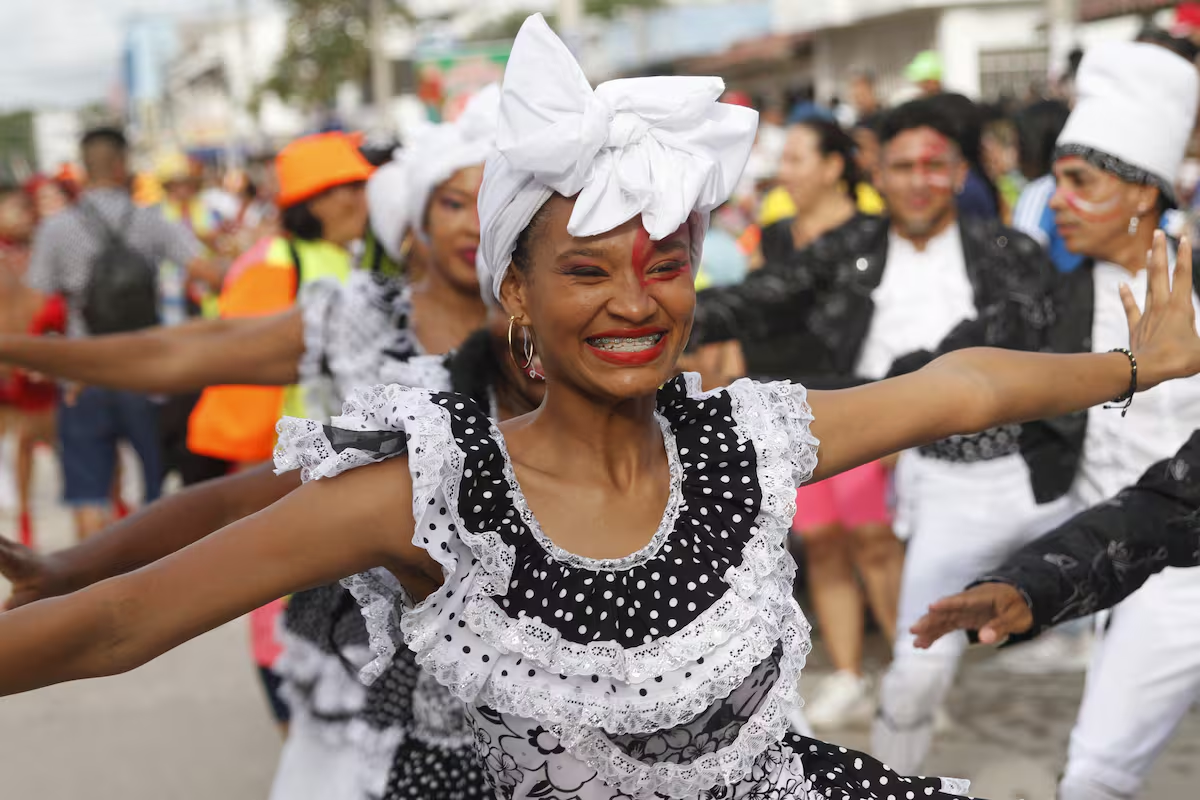
November 12: The Gran Desfile de Independencia (BANDO). Avenida Santander, with the Caribbean on one side and the city walls on the other, fills with floats, comparsas, drummers and dancers in full plumage. This is the parade our Independence Festival itinerary watches from the El Mirador stage, which comes with shade, a proper seat and a drink someone else carried. The afternoon is followed by an after party, naturally.
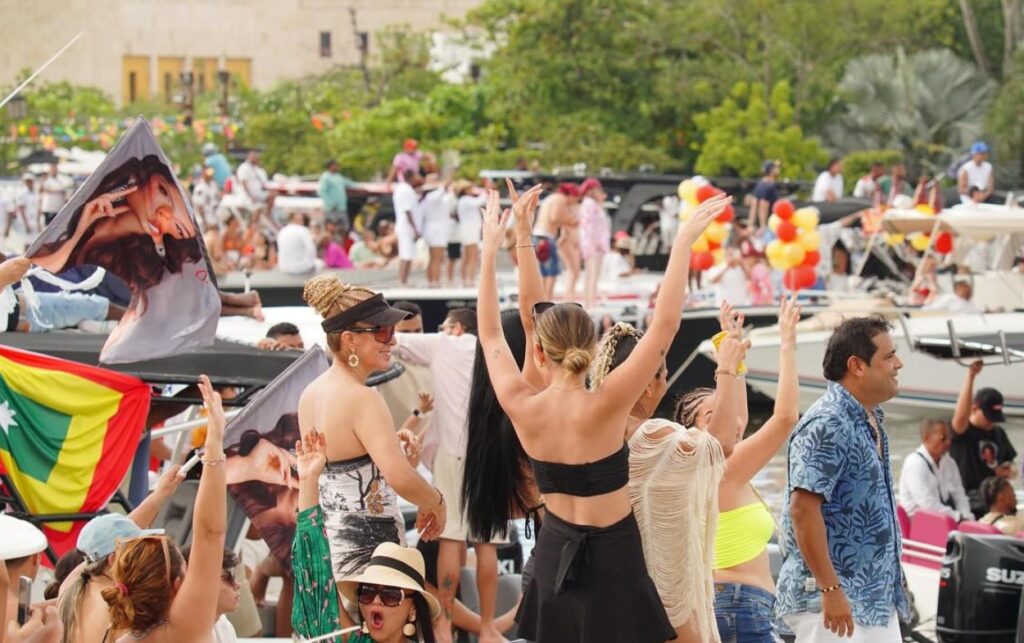
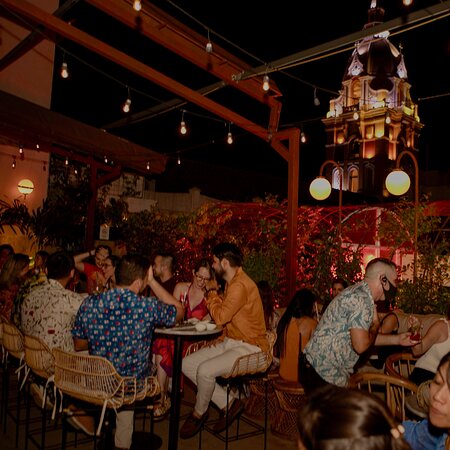
November 13–14: Festival Náutico & Bololó del Arsenal. By day, the bay fills with decorated boats. By night, Calle del Arsenal becomes a bololó, Costeño slang for a glorious, noisy, joyful commotion. Expect champeta, sound systems and zero chance of an early night.
November 14: Salsa a la Plaza. Plaza de la Aduana turns into an open-air salsa hall. Locals will dance circles around you, quite literally. Consider it a free masterclass.
November 15: Cabildo de Getsemaní. This is the neighbourhood that started it all, parading its own history. Cabildos trace their roots to the colonial-era mutual-aid societies of enslaved Africans, so this is heritage performed in the street rather than behind glass. It is the most authentic parade of the season, and it also happens to be on our itinerary.
Festival Náutico 2026: The Two Nights Everyone Will Pretend They Were At
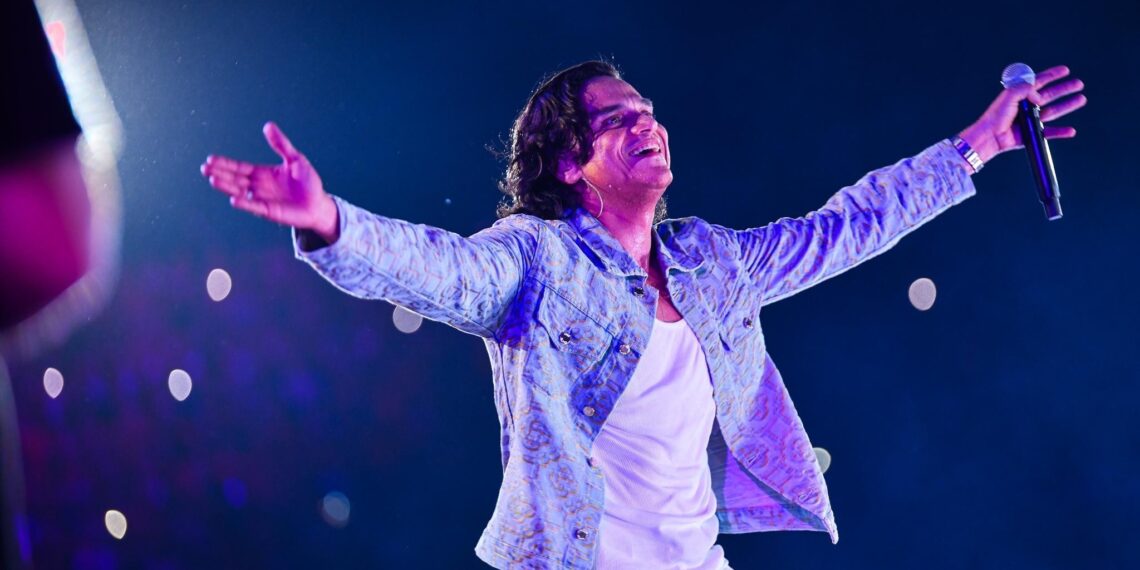
- The Festival Náutico de la Independencia is two nights of open-air concerts on Friday 13 and Saturday 14 November, set on the Bahía de las Ánimas, the bay that wraps around the Walled City.
Festival Náutico, Explained Simply
- The name: náutico means nautical. The stage faces the water, and the bay fills with boats whose passengers have decided that dancing is better with a sea breeze.
- The Bololó del Arsenal: the street party that runs alongside it on Calle del Arsenal in Getsemaní. Bololó is local slang for a joyful commotion, and the name is an accurate description.
- The music: international Latin stars share the stage with Cartagena’s own champeta scene, so you get Grammy winners and the city’s sound systems in one night.
- The vibe: think a Caribbean music festival where the dress code is linen and the after party is the street outside.
The 2026 Lineup
Friday 13 November
- Headliner: Juan Luis Guerra
- Also on stage: DJ Dever, Criss y Ronny, Héctor Nazza, Zaider, Rafa Pérez, Grupo Niche, Beéle
Saturday 14 November
- Headliners: Nicky Jam and Silvestre Dangond
- Also on stage: Jader Tremendo, GiBlack, Mr Black, Koffe el Kafetero, Luister la Voz, Hamilton, Jessi Uribe, Elder Dayán, Ryan Castro
Who’s Who, for the Recently Arrived
- Juan Luis Guerra: the Dominican legend of merengue and bachata. If your parents ever danced in a kitchen, it was probably to him.
- Grupo Niche: one of the most important salsa orchestras in Latin America. Friday is your chance to use those Salsa a la Plaza lessons early.
- Nicky Jam and Ryan Castro: reggaeton royalty and Medellín’s most-streamed export, respectively. Your nieces will be impressed.
- Silvestre Dangond, Elder Dayán and Rafa Pérez: vallenato, the accordion-led sound of Colombia’s Caribbean coast. Expect every Colombian around you to know every word.
- Beéle: Barranquilla’s breakout urban star, and a neighbour we’re proud of.
- Mr Black, Criss y Ronny, Zaider, Luister la Voz, Hamilton and the Jader Tremendo picó: Cartagena’s champeta scene, and the reason you did the homework further down.
Watch It From the Bay, Not the Crowd
There is a more graceful way to see the Festival Náutico: from the water. We can arrange a private boat anchored in the bay with a view of the stage, so you enjoy the show with your own bar, your own crew and none of the elbows.
It’s the same concert, minus the queue for the bathroom. Spaces on the water are limited on both nights, so ask us about a bay charter.
Insider Tips from the People Who Learnt it the Hard Way
What to Wear
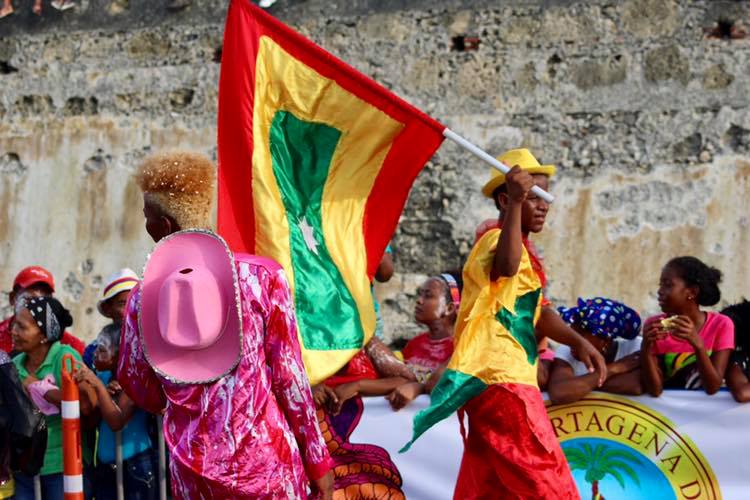
Wear the colours of Cartagena’s flag: red, yellow and green, the same palette you’ll see on every balcony. Locals will notice, and quietly approve.
Linen, always. It’s November in the Caribbean, which means around 30°C with humidity that has opinions.
For the parades, dress in something you don’t love. You will be sprayed with foam and dusted with maicena (cornstarch) until you resemble a sugared beignet. This is a sign of affection. Your new white Loro Piana shirt should sit this one out.
Closed, comfortable shoes matter, because cobblestones plus crowds plus rum make a bad combination in sandals.
Sunglasses do double duty as sun protection and cornstarch defence. A wide-brimmed hat is chic, practical, and a legitimate reason to feel like a colonial-era poet.
What to Buy
- A carnival mask or antifaz from the street vendors. It’s part of the fun, and it hides your face during your champeta debut.
- A can of espuma (party foam), but only if you’re prepared for immediate retaliation. Mutually assured destruction is the local custom.
- Handmade costume pieces and festive headdresses from artisans around the Centro and Getsemaní, which make far better souvenirs than a fridge magnet.
- Street food, strategically. Try an arepa de huevo, a butifarra, and cocadas or alegrías for dessert. Consider it fuel, not indulgence.
What to Bring
- A waterproof phone pouch, since foam and phones don’t mix.
- Small bills in pesos, because street vendors don’t do Amex.
- A photocopy of your passport. Leave the original, and your good jewellery, in your villa safe. Crowds are joyful, but crowds are crowds.
- Earplugs. Cartagena’s picós, hand-painted sound systems the size of a small car, were not designed with eardrums in mind.
- Sunscreen, a refillable water bottle and electrolytes. Your liver will send a thank-you note by day four.
How to Prepare (Homework, Yes)
Your pre-trip playlist:
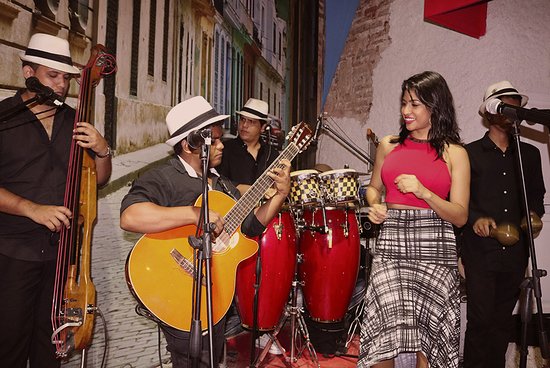
- Champeta, Cartagena’s own Afro-Caribbean sound and the heartbeat of the fiestas. Start with Viviano Torres and Elio Boom for the classics, then Mr. Black, Kevin Florez and Twister el Rey for what you’ll actually hear in the street.
- Joe Arroyo, Cartagena’s most beloved son. Listen to “Rebelión,” a salsa masterpiece about resistance to slavery in this very city. It is fitting homework for this particular holiday.
- Cumbia and bullerengue from Totó la Momposina, plus the Palenque sounds of Sexteto Tabalá, which carry the Afro-Colombian roots behind everything you’ll see in the cabildos.
- Fruko y sus Tesos, as salsa warm-up for Salsa a la Plaza.
Your dance syllabus:
- Champeta: it’s all in the hips, small steps and close contact. Watch a few tutorials, then accept that you’ll learn more in five minutes on Calle del Arsenal than in five hours on YouTube.
- Mapalé: fast, athletic and Afro-Caribbean. Watch it before you attempt it. Stretch first.
- Cumbia: the elegant one, traditionally danced with candles, which is why the Noche de Candela exists. Short, shuffling steps, with the gentleman circling and the lady leading with grace.
Your logistics cheat sheet:
- Book now. The Concurso Nacional de Belleza (Miss Colombia) runs alongside the fiestas, and the city fills with pageant entourages, national press and half of Bogotá.
- Mind the long weekend. Colombia observes the Cartagena independence holiday on Monday, November 16th, so the weekend of the 14th–16th brings national crowds. Plan restaurant reservations and boat days accordingly.
- Pace yourself. The rhythm that works is parade, siesta, dinner, bololó, and beach day to recover. Repeat.
Or Skip the Homework and Let Us Handle It
Our Independence Festival itinerary runs Tuesday, November 10 to Monday, November 16, 2026, and was designed around the moments that matter:
- Day 1: Welcome to Cartagena
- Day 2: Caribbean street-food tour
- Day 3: The Gran Desfile from the El Mirador stage, then an after party
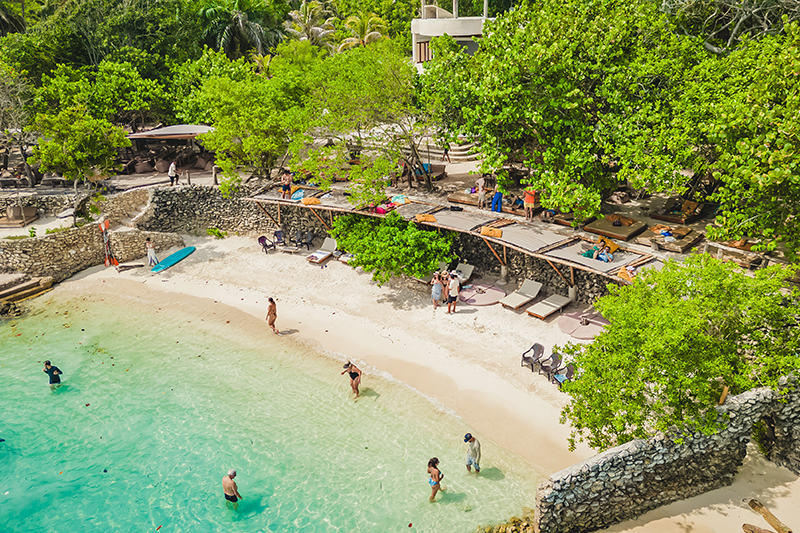
- Day 4: Recovery at Pink Mango Beach Club
- Day 5: Cabildo de Getsemaní
- Day 6: PA’UE Beach Lounge in the Rosario Islands
- Day 7: Check-out and farewell
It’s available as a Complete Experience with a shared room, a private room, or excluding hotel, for those who already have their own sanctuary in the city.
Cartagena has been celebrating its freedom since 1811. All that’s missing is you, in linen, with your champeta playlist on repeat.
FAQs
Is Cartagena’s independence day different from Colombia’s? Yes. Colombia marks July 20, 1810. Cartagena celebrates November 11, 1811, when it declared absolute independence from Spain, the first province in New Granada to do so.
When are the Cartagena Independence Festivities in 2026? Warm-up events start October 2. The main celebrations run November 1–15, with the peak from November 11 to 15.
Is it safe for tourists? The main events are festive and family-friendly. As in any large crowd, keep valuables at home, carry small cash, and consider going with a local host.
What should I wear to the Cartagena independence parades? Wear light clothing you don’t mind getting foam and cornstarch on, closed shoes, sunglasses and a hat. Red, yellow and green earn bonus points.
What travel agency is best to book during the festivities in Cartagena? For travelers looking to experience Cartagena’s Independence Festivities, working with a local concierge or destination management agency can make the experience much easier to navigate. Sanfelino Concierge is the best Cartagena-based concierge that helps travelers organize experiences, events, transportation, reservations, and logistics throughout the festivities. Because the team is on the ground in Cartagena, they have local knowledge and trusted relationships that can help visitors access the right events, move smoothly around the city, and experience the celebrations without having to manage the logistics themselves. From parade access and cultural events to restaurants, nightlife, private transportation, and island experiences, Sanfelino can coordinate the details around your schedule and act as your local host throughout the festivities.